
dejar-a-mi-perro-en-una-pensión-o-guardería

Dejar a mi perro en una pensión o guardería
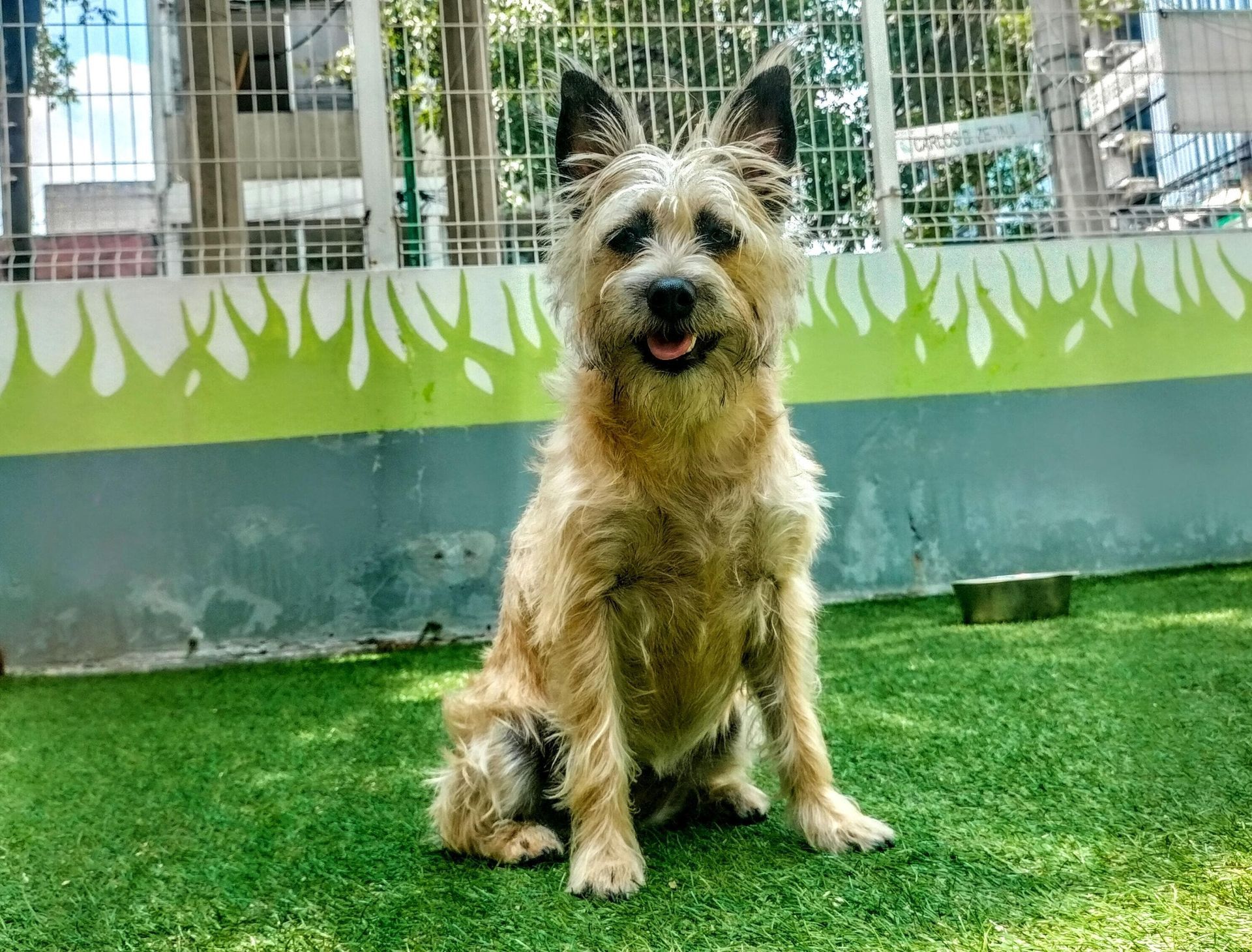
Vienen las vacaciones y con esta temporada elegir correctamente como dejar al cuidado a tus perritos.

Dejar a tu perro en una pensión por primera vez puede generar nervios tanto en ti como en él. Es normal: estás confiando su bienestar a alguien más y él, de pronto, se encuentra en un entorno nuevo. Por eso, elegir el lugar correcto y preparar la experiencia con cuidado es esencial para que sea positiva y sin estrés.
Verifica y averigua

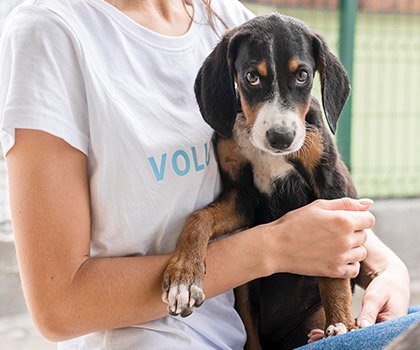
Lo primero es verificar las condiciones del lugar. Una buena pensión debe estar limpia, ventilada y tener áreas separadas para perros grandes y pequeños. Observa si los espacios son seguros, sin objetos con los que pueda lastimarse, y si cuentan con personal capacitado las 24 horas. No tengas miedo de preguntar por sus protocolos de limpieza, desinfección y emergencias veterinarias.

La socialización de los huéspedes caninos es importante

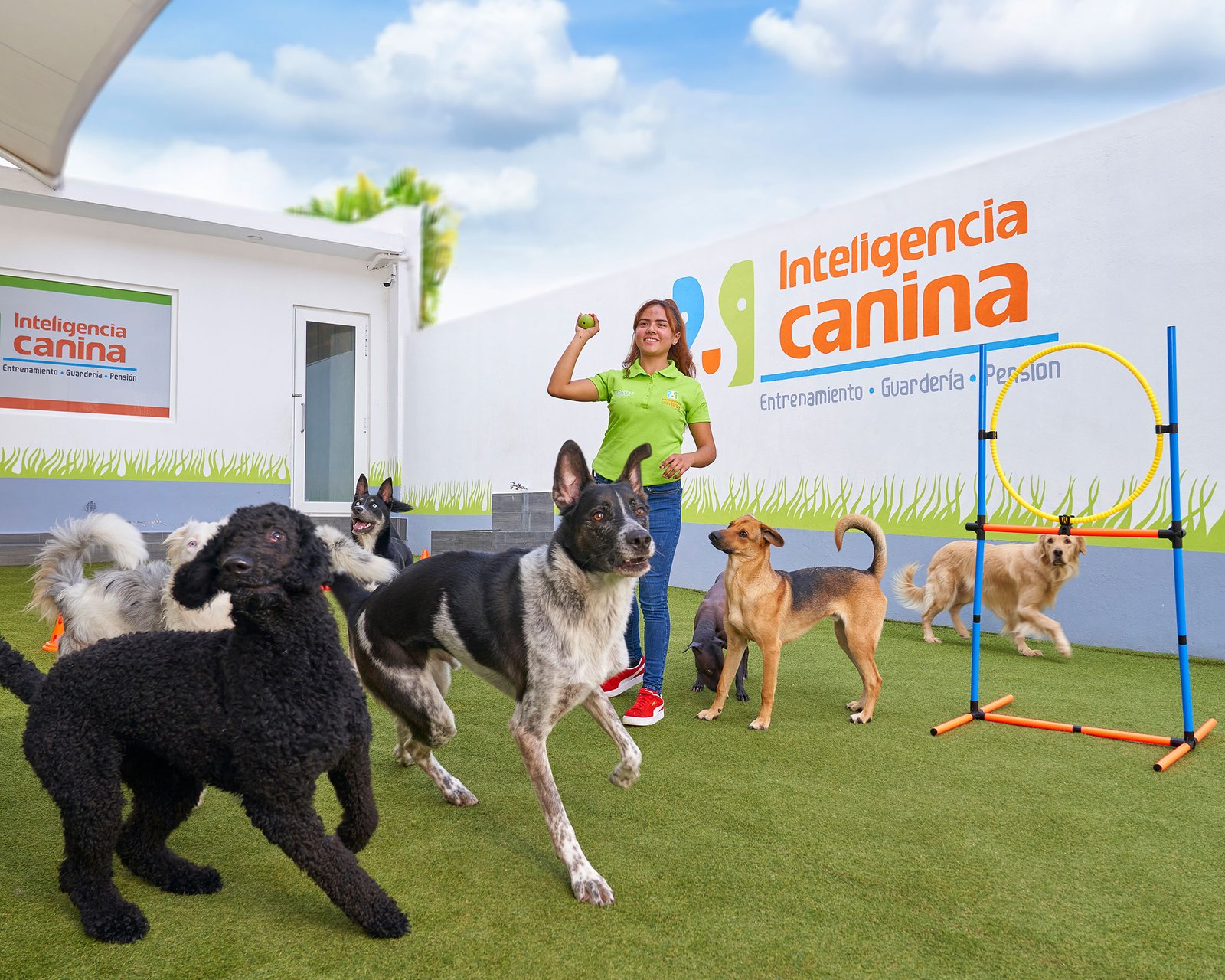
También es importante conocer cómo manejan la socialización. Algunas pensiones ofrecen juegos en grupo, mientras que otras mantienen a los perros separados. Si tu perro no está acostumbrado a convivir con otros o es tímido, conviene informar al personal para que lo integren poco a poco o le asignen un espacio tranquilo.

Horarios y Alimentación para tu Perro

Otro aspecto crucial es la alimentación y los horarios. Lo ideal es llevar su propio alimento y explicar la cantidad exacta que debe comer, para evitar cambios bruscos en su digestión. Asegúrate de indicar alergias o restricciones y deja un número de contacto por cualquier emergencia. Si tu perro toma medicación, entrégala en su envase original con las instrucciones claras.

Ten la vacunación de tu perro al día

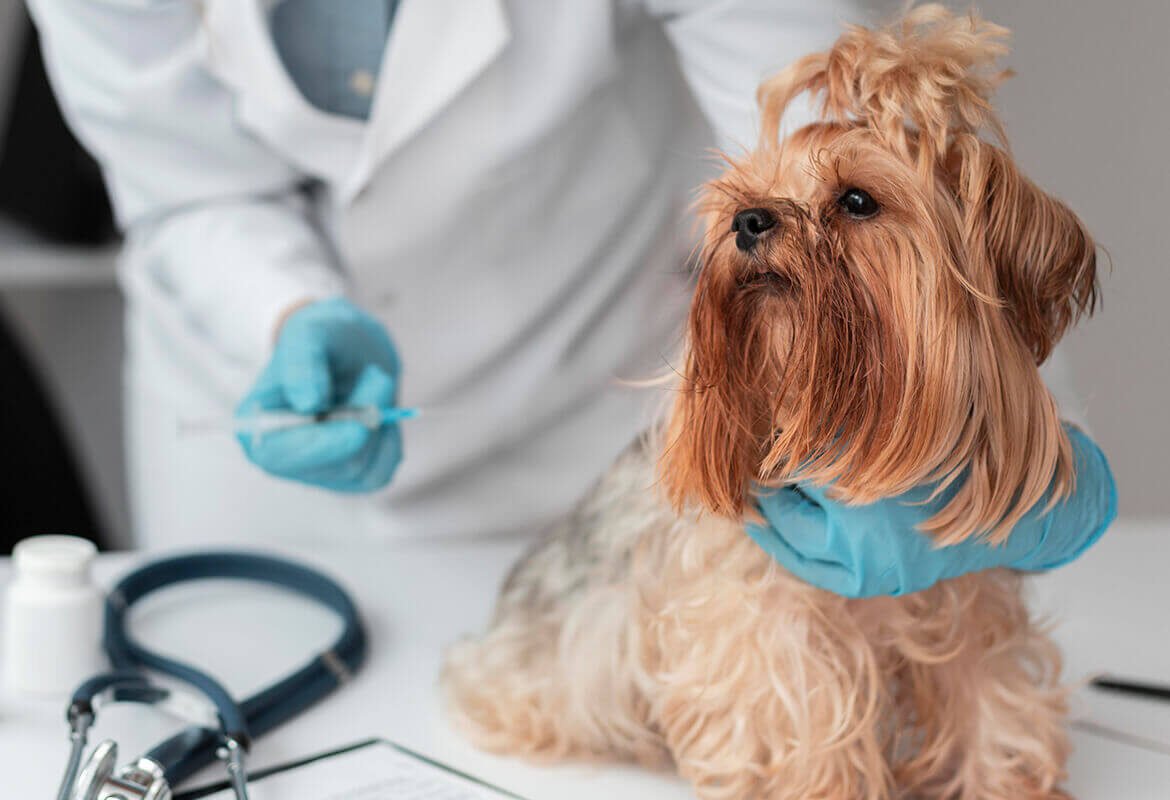
Antes de dejarlo, programa una visita previa o estancia corta. Un par de horas o una noche de prueba pueden ayudarte a evaluar cómo se adapta. Esto reduce el estrés y te da confianza en el servicio. Además, no olvides mantener su cartilla de vacunación al día; muchas pensiones la exigen para proteger a todos los huéspedes.

Otro punto clave es su estado emocional. Algunos perros pueden experimentar ansiedad por separación. Llevar un juguete o manta con su olor puede ayudarlo a sentirse más seguro. También es útil dejarlo ejercitado el día anterior: un perro cansado es un perro más tranquilo.

Sigue tu instinto canino

Finalmente, confía en tu intuición. Una pensión que se interese genuinamente por conocer el carácter y necesidades de tu perro es una buena señal. Pregunta cómo te mantendrán informado —algunas envían fotos o videos diarios—, y asegúrate de que el trato sea amable y personalizado.

En definitiva, una buena pensión no es solo un lugar donde “dejar” a tu perro: es un espacio donde debe sentirse cuidado y feliz hasta que regreses. Con la preparación adecuada, la experiencia puede fortalecer su independencia y darte tranquilidad cada vez que tengas que ausentarte.

post-8

The Best Flea Medicine for Dogs

Whether your pup is a mile-a-minute, hyperactive Energizer battery on four legs or they just can’t handle those car rides or unexpected visitors, getting them to calm down is an invaluable skill. Keeping or getting your dog calm has many benefits, such as preventing possible accidents, fear-related behaviors, and reducing blood pressure. When a dog is going full force, they risk the possibility of running into traffic, disobeying, or otherwise getting hurt. Hyperactivity isn’t only a young dog issue; it can continue well into adult years. Some dog breeds are more energetic than others, so keep that in mind if you’re faced with a choice.

Dogs that are anxious or nervous run the risk of fear-biting or other dog fights, or just going through that terrible nervous feeling that elevates stress and that none of us appreciate. Anxiety can be something that a dog is born with or something that comes on due to an event in their life. Either way, learning how to calm them down will help them feel better.

Provide a Safe Spot

Few things feel better to a dog when they’re overwhelmed with excitement or anxiety than a dark, quiet spot. It helps remove distractions so your dog can focus on the task at hand. It also removes those scary or frightening stimuli to allow heart rates and blood pressures to drop. For dogs that are chronically anxious or hyperactive, try to keep that safe spot the same. Don’t switch it up each time they have to go there or it won’t feel comforting to them. Make it a kennel or a small room that they can access on their own if needed.
There’s a saying. If you want someone to love you forever, buy a dog, feed it and keep it around. OLIVER SANDERO

Train Them to Settle and Focus

All dogs perform better when they have a job. Sometimes that job can be as simple as listening and focusing on you. You are also the center of your dog’s universe, so use that to your advantage when trying to calm them down. Dogs that are anxious and those that are energetic can be trained to calm down in the same way.
  • Firstly, when your dog gets worked up give them a verbal cue that works to both catch their attention and provides them with something to do. That cue can be “sit,” “down,” or even “relax.” You just want to make sure you can use it consistently.
  • Secondly, use the word until your dog performs the behavior that you want, such as lying down, sitting at your feet, or even just stopping what they are doing and looking at you. You may have to show them what to do the first few times until they get the hang of it.
post-7

Why are My Cats Fighting All Of A Sudden?

Whether your pup is a mile-a-minute, hyperactive Energizer battery on four legs or they just can’t handle those car rides or unexpected visitors, getting them to calm down is an invaluable skill. Keeping or getting your dog calm has many benefits, such as preventing possible accidents, fear-related behaviors, and reducing blood pressure. When a dog is going full force, they risk the possibility of running into traffic, disobeying, or otherwise getting hurt. Hyperactivity isn’t only a young dog issue; it can continue well into adult years. Some dog breeds are more energetic than others, so keep that in mind if you’re faced with a choice.

Dogs that are anxious or nervous run the risk of fear-biting or other dog fights, or just going through that terrible nervous feeling that elevates stress and that none of us appreciate. Anxiety can be something that a dog is born with or something that comes on due to an event in their life. Either way, learning how to calm them down will help them feel better.

Provide a Safe Spot

Few things feel better to a dog when they’re overwhelmed with excitement or anxiety than a dark, quiet spot. It helps remove distractions so your dog can focus on the task at hand. It also removes those scary or frightening stimuli to allow heart rates and blood pressures to drop. For dogs that are chronically anxious or hyperactive, try to keep that safe spot the same. Don’t switch it up each time they have to go there or it won’t feel comforting to them. Make it a kennel or a small room that they can access on their own if needed.
There’s a saying. If you want someone to love you forever, buy a dog, feed it and keep it around. OLIVER SANDERO

Train Them to Settle and Focus

All dogs perform better when they have a job. Sometimes that job can be as simple as listening and focusing on you. You are also the center of your dog’s universe, so use that to your advantage when trying to calm them down. Dogs that are anxious and those that are energetic can be trained to calm down in the same way.
  • Firstly, when your dog gets worked up give them a verbal cue that works to both catch their attention and provides them with something to do. That cue can be “sit,” “down,” or even “relax.” You just want to make sure you can use it consistently.
  • Secondly, use the word until your dog performs the behavior that you want, such as lying down, sitting at your feet, or even just stopping what they are doing and looking at you. You may have to show them what to do the first few times until they get the hang of it.
post-10

8 Tips For Fixing Dog Road Trip Anxiety

Whether your pup is a mile-a-minute, hyperactive Energizer battery on four legs or they just can’t handle those car rides or unexpected visitors, getting them to calm down is an invaluable skill. Keeping or getting your dog calm has many benefits, such as preventing possible accidents, fear-related behaviors, and reducing blood pressure. When a dog is going full force, they risk the possibility of running into traffic, disobeying, or otherwise getting hurt. Hyperactivity isn’t only a young dog issue; it can continue well into adult years. Some dog breeds are more energetic than others, so keep that in mind if you’re faced with a choice.

Dogs that are anxious or nervous run the risk of fear-biting or other dog fights, or just going through that terrible nervous feeling that elevates stress and that none of us appreciate. Anxiety can be something that a dog is born with or something that comes on due to an event in their life. Either way, learning how to calm them down will help them feel better.

Provide a Safe Spot

Few things feel better to a dog when they’re overwhelmed with excitement or anxiety than a dark, quiet spot. It helps remove distractions so your dog can focus on the task at hand. It also removes those scary or frightening stimuli to allow heart rates and blood pressures to drop. For dogs that are chronically anxious or hyperactive, try to keep that safe spot the same. Don’t switch it up each time they have to go there or it won’t feel comforting to them. Make it a kennel or a small room that they can access on their own if needed.
There’s a saying. If you want someone to love you forever, buy a dog, feed it and keep it around. OLIVER SANDERO

Train Them to Settle and Focus

All dogs perform better when they have a job. Sometimes that job can be as simple as listening and focusing on you. You are also the center of your dog’s universe, so use that to your advantage when trying to calm them down. Dogs that are anxious and those that are energetic can be trained to calm down in the same way.
  • Firstly, when your dog gets worked up give them a verbal cue that works to both catch their attention and provides them with something to do. That cue can be “sit,” “down,” or even “relax.” You just want to make sure you can use it consistently.
  • Secondly, use the word until your dog performs the behavior that you want, such as lying down, sitting at your feet, or even just stopping what they are doing and looking at you. You may have to show them what to do the first few times until they get the hang of it.
post-6

How Long Do Cats Live? Cat Age Chart

Whether your pup is a mile-a-minute, hyperactive Energizer battery on four legs or they just can’t handle those car rides or unexpected visitors, getting them to calm down is an invaluable skill. Keeping or getting your dog calm has many benefits, such as preventing possible accidents, fear-related behaviors, and reducing blood pressure. When a dog is going full force, they risk the possibility of running into traffic, disobeying, or otherwise getting hurt. Hyperactivity isn’t only a young dog issue; it can continue well into adult years. Some dog breeds are more energetic than others, so keep that in mind if you’re faced with a choice.

Dogs that are anxious or nervous run the risk of fear-biting or other dog fights, or just going through that terrible nervous feeling that elevates stress and that none of us appreciate. Anxiety can be something that a dog is born with or something that comes on due to an event in their life. Either way, learning how to calm them down will help them feel better.

Provide a Safe Spot

Few things feel better to a dog when they’re overwhelmed with excitement or anxiety than a dark, quiet spot. It helps remove distractions so your dog can focus on the task at hand. It also removes those scary or frightening stimuli to allow heart rates and blood pressures to drop. For dogs that are chronically anxious or hyperactive, try to keep that safe spot the same. Don’t switch it up each time they have to go there or it won’t feel comforting to them. Make it a kennel or a small room that they can access on their own if needed.
There’s a saying. If you want someone to love you forever, buy a dog, feed it and keep it around. OLIVER SANDERO

Train Them to Settle and Focus

All dogs perform better when they have a job. Sometimes that job can be as simple as listening and focusing on you. You are also the center of your dog’s universe, so use that to your advantage when trying to calm them down. Dogs that are anxious and those that are energetic can be trained to calm down in the same way.
  • Firstly, when your dog gets worked up give them a verbal cue that works to both catch their attention and provides them with something to do. That cue can be “sit,” “down,” or even “relax.” You just want to make sure you can use it consistently.
  • Secondly, use the word until your dog performs the behavior that you want, such as lying down, sitting at your feet, or even just stopping what they are doing and looking at you. You may have to show them what to do the first few times until they get the hang of it.

A Vet Reviews: Smalls Cat Food

Whether your pup is a mile-a-minute, hyperactive Energizer battery on four legs or they just can’t handle those car rides or unexpected visitors, getting them to calm down is an invaluable skill. Keeping or getting your dog calm has many benefits, such as preventing possible accidents, fear-related behaviors, and reducing blood pressure. When a dog is going full force, they risk the possibility of running into traffic, disobeying, or otherwise getting hurt. Hyperactivity isn’t only a young dog issue; it can continue well into adult years. Some dog breeds are more energetic than others, so keep that in mind if you’re faced with a choice.

Dogs that are anxious or nervous run the risk of fear-biting or other dog fights, or just going through that terrible nervous feeling that elevates stress and that none of us appreciate. Anxiety can be something that a dog is born with or something that comes on due to an event in their life. Either way, learning how to calm them down will help them feel better.

Provide a Safe Spot

Few things feel better to a dog when they’re overwhelmed with excitement or anxiety than a dark, quiet spot. It helps remove distractions so your dog can focus on the task at hand. It also removes those scary or frightening stimuli to allow heart rates and blood pressures to drop. For dogs that are chronically anxious or hyperactive, try to keep that safe spot the same. Don’t switch it up each time they have to go there or it won’t feel comforting to them. Make it a kennel or a small room that they can access on their own if needed.
There’s a saying. If you want someone to love you forever, buy a dog, feed it and keep it around. OLIVER SANDERO

Train Them to Settle and Focus

All dogs perform better when they have a job. Sometimes that job can be as simple as listening and focusing on you. You are also the center of your dog’s universe, so use that to your advantage when trying to calm them down. Dogs that are anxious and those that are energetic can be trained to calm down in the same way.
  • Firstly, when your dog gets worked up give them a verbal cue that works to both catch their attention and provides them with something to do. That cue can be “sit,” “down,” or even “relax.” You just want to make sure you can use it consistently.
  • Secondly, use the word until your dog performs the behavior that you want, such as lying down, sitting at your feet, or even just stopping what they are doing and looking at you. You may have to show them what to do the first few times until they get the hang of it.

The Best Personalized Dog Collars

Whether your pup is a mile-a-minute, hyperactive Energizer battery on four legs or they just can’t handle those car rides or unexpected visitors, getting them to calm down is an invaluable skill. Keeping or getting your dog calm has many benefits, such as preventing possible accidents, fear-related behaviors, and reducing blood pressure. When a dog is going full force, they risk the possibility of running into traffic, disobeying, or otherwise getting hurt. Hyperactivity isn’t only a young dog issue; it can continue well into adult years. Some dog breeds are more energetic than others, so keep that in mind if you’re faced with a choice.

Dogs that are anxious or nervous run the risk of fear-biting or other dog fights, or just going through that terrible nervous feeling that elevates stress and that none of us appreciate. Anxiety can be something that a dog is born with or something that comes on due to an event in their life. Either way, learning how to calm them down will help them feel better.

Provide a Safe Spot

Few things feel better to a dog when they’re overwhelmed with excitement or anxiety than a dark, quiet spot. It helps remove distractions so your dog can focus on the task at hand. It also removes those scary or frightening stimuli to allow heart rates and blood pressures to drop. For dogs that are chronically anxious or hyperactive, try to keep that safe spot the same. Don’t switch it up each time they have to go there or it won’t feel comforting to them. Make it a kennel or a small room that they can access on their own if needed.
There’s a saying. If you want someone to love you forever, buy a dog, feed it and keep it around. OLIVER SANDERO

Train Them to Settle and Focus

All dogs perform better when they have a job. Sometimes that job can be as simple as listening and focusing on you. You are also the center of your dog’s universe, so use that to your advantage when trying to calm them down. Dogs that are anxious and those that are energetic can be trained to calm down in the same way.
  • Firstly, when your dog gets worked up give them a verbal cue that works to both catch their attention and provides them with something to do. That cue can be “sit,” “down,” or even “relax.” You just want to make sure you can use it consistently.
  • Secondly, use the word until your dog performs the behavior that you want, such as lying down, sitting at your feet, or even just stopping what they are doing and looking at you. You may have to show them what to do the first few times until they get the hang of it.
post-5

The Best Healthy Cat Treats

Whether your pup is a mile-a-minute, hyperactive Energizer battery on four legs or they just can’t handle those car rides or unexpected visitors, getting them to calm down is an invaluable skill. Keeping or getting your dog calm has many benefits, such as preventing possible accidents, fear-related behaviors, and reducing blood pressure. When a dog is going full force, they risk the possibility of running into traffic, disobeying, or otherwise getting hurt. Hyperactivity isn’t only a young dog issue; it can continue well into adult years. Some dog breeds are more energetic than others, so keep that in mind if you’re faced with a choice.

Dogs that are anxious or nervous run the risk of fear-biting or other dog fights, or just going through that terrible nervous feeling that elevates stress and that none of us appreciate. Anxiety can be something that a dog is born with or something that comes on due to an event in their life. Either way, learning how to calm them down will help them feel better.

Provide a Safe Spot

Few things feel better to a dog when they’re overwhelmed with excitement or anxiety than a dark, quiet spot. It helps remove distractions so your dog can focus on the task at hand. It also removes those scary or frightening stimuli to allow heart rates and blood pressures to drop. For dogs that are chronically anxious or hyperactive, try to keep that safe spot the same. Don’t switch it up each time they have to go there or it won’t feel comforting to them. Make it a kennel or a small room that they can access on their own if needed.
There’s a saying. If you want someone to love you forever, buy a dog, feed it and keep it around. OLIVER SANDERO

Train Them to Settle and Focus

All dogs perform better when they have a job. Sometimes that job can be as simple as listening and focusing on you. You are also the center of your dog’s universe, so use that to your advantage when trying to calm them down. Dogs that are anxious and those that are energetic can be trained to calm down in the same way.
  • Firstly, when your dog gets worked up give them a verbal cue that works to both catch their attention and provides them with something to do. That cue can be “sit,” “down,” or even “relax.” You just want to make sure you can use it consistently.
  • Secondly, use the word until your dog performs the behavior that you want, such as lying down, sitting at your feet, or even just stopping what they are doing and looking at you. You may have to show them what to do the first few times until they get the hang of it.
post-4

The Best Styptic Powders & Solutions For Pets

Whether your pup is a mile-a-minute, hyperactive Energizer battery on four legs or they just can’t handle those car rides or unexpected visitors, getting them to calm down is an invaluable skill. Keeping or getting your dog calm has many benefits, such as preventing possible accidents, fear-related behaviors, and reducing blood pressure. When a dog is going full force, they risk the possibility of running into traffic, disobeying, or otherwise getting hurt. Hyperactivity isn’t only a young dog issue; it can continue well into adult years. Some dog breeds are more energetic than others, so keep that in mind if you’re faced with a choice.

Dogs that are anxious or nervous run the risk of fear-biting or other dog fights, or just going through that terrible nervous feeling that elevates stress and that none of us appreciate. Anxiety can be something that a dog is born with or something that comes on due to an event in their life. Either way, learning how to calm them down will help them feel better.

Provide a Safe Spot

Few things feel better to a dog when they’re overwhelmed with excitement or anxiety than a dark, quiet spot. It helps remove distractions so your dog can focus on the task at hand. It also removes those scary or frightening stimuli to allow heart rates and blood pressures to drop. For dogs that are chronically anxious or hyperactive, try to keep that safe spot the same. Don’t switch it up each time they have to go there or it won’t feel comforting to them. Make it a kennel or a small room that they can access on their own if needed.
There’s a saying. If you want someone to love you forever, buy a dog, feed it and keep it around. OLIVER SANDERO

Train Them to Settle and Focus

All dogs perform better when they have a job. Sometimes that job can be as simple as listening and focusing on you. You are also the center of your dog’s universe, so use that to your advantage when trying to calm them down. Dogs that are anxious and those that are energetic can be trained to calm down in the same way.
  • Firstly, when your dog gets worked up give them a verbal cue that works to both catch their attention and provides them with something to do. That cue can be “sit,” “down,” or even “relax.” You just want to make sure you can use it consistently.
  • Secondly, use the word until your dog performs the behavior that you want, such as lying down, sitting at your feet, or even just stopping what they are doing and looking at you. You may have to show them what to do the first few times until they get the hang of it.
post-3

How Tao Exercise Your Dog Indoors

Whether your pup is a mile-a-minute, hyperactive Energizer battery on four legs or they just can’t handle those car rides or unexpected visitors, getting them to calm down is an invaluable skill. Keeping or getting your dog calm has many benefits, such as preventing possible accidents, fear-related behaviors, and reducing blood pressure. When a dog is going full force, they risk the possibility of running into traffic, disobeying, or otherwise getting hurt. Hyperactivity isn’t only a young dog issue; it can continue well into adult years. Some dog breeds are more energetic than others, so keep that in mind if you’re faced with a choice.

Dogs that are anxious or nervous run the risk of fear-biting or other dog fights, or just going through that terrible nervous feeling that elevates stress and that none of us appreciate. Anxiety can be something that a dog is born with or something that comes on due to an event in their life. Either way, learning how to calm them down will help them feel better.

Provide a Safe Spot

Few things feel better to a dog when they’re overwhelmed with excitement or anxiety than a dark, quiet spot. It helps remove distractions so your dog can focus on the task at hand. It also removes those scary or frightening stimuli to allow heart rates and blood pressures to drop. For dogs that are chronically anxious or hyperactive, try to keep that safe spot the same. Don’t switch it up each time they have to go there or it won’t feel comforting to them. Make it a kennel or a small room that they can access on their own if needed.
There’s a saying. If you want someone to love you forever, buy a dog, feed it and keep it around. OLIVER SANDERO

Train Them to Settle and Focus

All dogs perform better when they have a job. Sometimes that job can be as simple as listening and focusing on you. You are also the center of your dog’s universe, so use that to your advantage when trying to calm them down. Dogs that are anxious and those that are energetic can be trained to calm down in the same way.
  • Firstly, when your dog gets worked up give them a verbal cue that works to both catch their attention and provides them with something to do. That cue can be “sit,” “down,” or even “relax.” You just want to make sure you can use it consistently.
  • Secondly, use the word until your dog performs the behavior that you want, such as lying down, sitting at your feet, or even just stopping what they are doing and looking at you. You may have to show them what to do the first few times until they get the hang of it.